Poll a room of first-time custom home buyers about the decision that matters most, and floor plans or kitchen layouts top the list almost every time. The real fork in the road happens before any of that: how design and construction are going to work together at all. That’s the design-build vs. architect-and-builder decision, and it ends up determining who you call when something needs to change, what your budget looks like by month six, and how much of this process lands on your plate.
There are really only two ways to structure this. Design-build hands one team the plans and the construction, starting day one. Or you split it: an architect draws the home, a general contractor builds it. Both can produce a beautiful result, but for most homeowners, having one team carry the vision from sketch to move-in day, without a handoff in between, is what makes design-build the stronger choice.
What These Two Approaches Actually Look Like
With design-build, a single company, called the design-builder, owns the plans and the physical construction alike, all under one contract. AIA Contract Documents notes that many residential home builders operate this way, keeping an architect in-house or bringing one on early as a subcontractor. Either way, you’ve got a single point of contact from the first sketch to the day you walk through the finished house, which means fewer handoffs and one team accountable for the finished product from start to finish. Cambridge Homes is one of them: we’ve run design and construction as a single in-house operation since 1979.
Design-bid-build works differently. You’ll sign two separate contracts: one with an architect and one with a contractor. The architect typically works in stages: rough sketches first, then full construction documents, then a role checking the contractor’s progress once building starts to make sure the finished home matches what was drawn. That structure means dividing your project between two parties, each seeing only their half, rather than one team carrying the whole picture.
Design-build’s biggest advantage is its single point of responsibility. One relationship spans design questions and construction details alike, so there’s never any guessing about who to call when something comes up.
Where Each Approach Shines
Design-build tends to win on speed, and convenience follows close behind. Since the same team draws the plans and builds them, nobody’s handing off a finished design to a builder who wasn’t part of shaping it in the first place. Pricing conversations happen earlier too, because your builder is weighing in on cost and buildability while the design is still on the table, not after the drawings are locked.
For homeowners who’d rather have one relationship carrying the whole project than coordinate between two, that continuity is usually the deciding factor. At Cambridge, that continuity runs deep: the same construction lead, Rick Corrent, who joined the company in 2013, oversees construction for all of our custom homes today.
A separate architect and builder setup can still make sense in narrower cases, for instance if the project calls for a highly specialized architectural vision or you already have a contractor relationship from a past build you want to keep using. Outside of those situations, most homeowners find that a design-build team covers the same ground with far less coordination on their end.
What Each Approach Asks of You
With design-build, you’re trusting one team to balance design ambition against construction reality on its own. That works well when the team has the experience and design talent to do both parts justice, and it means you’re never translating your vision to a second party who wasn’t in the room for the first conversation. Before signing anything, ask how design fees are structured and what happens to them if you don’t move forward into construction.
Design-build carries one more advantage here: warranty claims usually route through that same company. At Cambridge, that means calling the same team that built your home, not a new number you’ve never dialed.
Go the separate-architect route, and design comes first, contractor bidding comes after, each phase getting its own dedicated stretch of attention before the next one starts. You also become the go-between for two independent parties, keeping both sides aligned on top of everything else that goes into building a home. Warranty coverage isn’t automatically part of the picture here either, so it’s worth confirming upfront whether your architect offers anything comparable to what a design-build company includes as standard.
Southeast Michigan makes this concrete. A wooded, sloped lot in Bloomfield Hills brings a completely different permitting conversation than a flat, clean parcel in South Lyon. A design-build team that’s already worked the area typically has that groundwork sorted before a contract is even signed, since local knowledge already lives inside the relationship. Bringing in a separate architect means sourcing that same knowledge from outside the team instead.
Figuring Out Which One Is Right for You
Start by asking yourself how hands-on you want to be. If the idea of one relationship steering both design and construction decisions from day one sounds like a relief rather than a compromise, design-build is built for exactly that. A separate architect and builder can still work if you’re set on managing that coordination yourself, but for most homeowners, having a design advocate built into the process is another reason design-build often fits better.
Budget certainty matters too, and it’s one of the clearer advantages of going with one team. A design-build team prices the project while shaping it, so you usually know what things cost earlier, often one of the biggest reasons homeowners lean this direction. A separate architect and builder can still support a well-managed budget, but that clarity typically arrives later, once bids come back, after the design is already locked in.
Then there’s timeline, and how much coordinating you want to take on. Design-build pulls the design and construction conversations closer together, and for most homeowners, that closeness is the single biggest convenience of the whole process. A separate architect and builder asks more of you along the way, since you’re the one keeping two relationships moving in step.
It’s a model that’s worked for us: our Terra community earned Development of the Year honors in 2020. For homeowners who want one team carrying the vision from the first sketch to the final walkthrough, design-build usually settles the question before it’s even asked.
Cambridge Homes Has Been Southeast Michigan’s Design/Build Builder Since 1979
Mark F. Guidobono Sr. founded Cambridge Homes in 1979 on a simple premise: design and construction work best as one continuous process, carried by the same trusted team from start to finish. Four decades later, our team still runs that same design/build process, carrying a homeowner’s vision from the first conversation to the final walkthrough, whether you’re building on our build-on-your-lot program or in one of our planned communities in Novi and the surrounding area.
Because that same team stays with you the entire way, you’re never re-explaining your vision to a new face partway through, and there’s no gap between what gets drawn and what gets built.
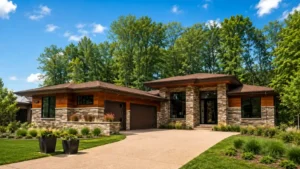
You can see that approach in action in the custom ranch homes at Terra, where our architects and construction crew work side by side from the first floor plan sketch to move-in day, with one point of contact managing both while you sort through your options. Take a look at our available lots to see what’s ready to build on right now.
Ready to See Which Approach Fits Your Vision?
Whether design-build feels like the simpler path for you or you are still deciding between the two, our team is glad to walk through what building with Cambridge Homes actually looks like day to day, including straight answers about how our process works and what to expect at each phase.
Schedule a tour and see the Terra community and our design/build process for yourself.